ANC must make tough decisions to recover from election losses, says Yonela Diko
Without some tough decisions from the party, this is the end, says former ANC spokesperson Yonela Diko.
Sara-Jayne Makwala King
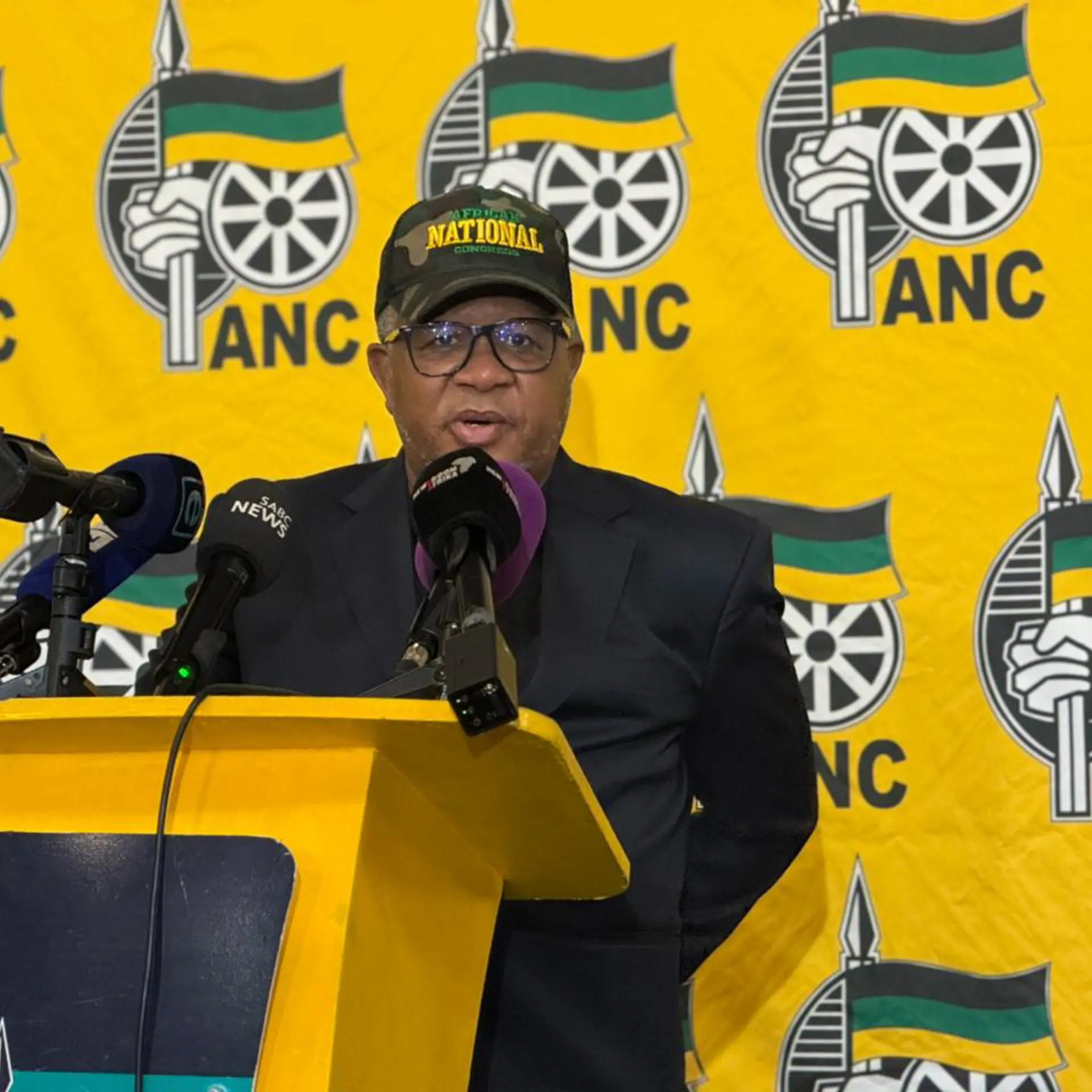
Secretary-General Fikile Mbalula addressed the media in Rustenburg on 6 January 2026. Picture: Alpha Ramushwana/ EWN
Alpha Ramushwana/ EWN
The ANC will need to make some difficult decisions if it hopes to rebuild itself after suffering its worst election result since the start of democracy.
The party received just 30.7% of the national vote in the local government elections, with secretary-general Fikile Mbalula describing the result as 'catastrophic'.
"It's a devastating rejection of a party that once commanded more than 70% of the vote," noted host Lester Kiewit on CapeTalk on Monday.
Political commentator and former ANC spokesperson Yonela Diko told Kiewit the party's future really depended on whether it was prepared to change.
"It's going to depend on whether the ANC has finally the courage to take the hard decisions that it needs to take. Otherwise, this is the end."
Diko said South Africans had been patient with the former ruling party, despite years of poor service delivery, corruption and failing municipalities.
He said the party's popularity had really begun to decline over 12 years ago.
"The problems the ANC has already known."
One of the reasons, said Diko, had been that certain minorities, including the middle class, no longer felt like the ANC represented their interests.
Other reasons were poor service delivery, and then the frustration with the slow pace of transformation
"The simple things that need to be done are not done. There are no lines on the road. There are no lights on the streets. Refuse is not picked up."
Diko also said the ANC has lost good leaders over the years and has also relied too much on its history and reputation to win elections.
He argued that the party needed strong, competent people who could deliver services and restore public confidence.
So, what now? Should the ANC rather go into opposition in the metros than try and 'cobble together' coalitions, asked Kiewit.
Diko believes it depends on the municipality.
"I do think that where the ANC is strong, if they can just make the decision, they should get into coalitions and prove that, firstly, they are able to work with others, with sort of the oversight of coalitions."
But where the ANC is the smallest party, they must go to opposition, he added.