Coalition talks reach critical stage as ActionSA weighs ANC and DA offers
ActionSA's Herman Mashaba says his party won't abuse its negotiating power as the ANC and DA vie for influence. Political analyst Sandile Swana weighs up the options.
Kabous Le Roux
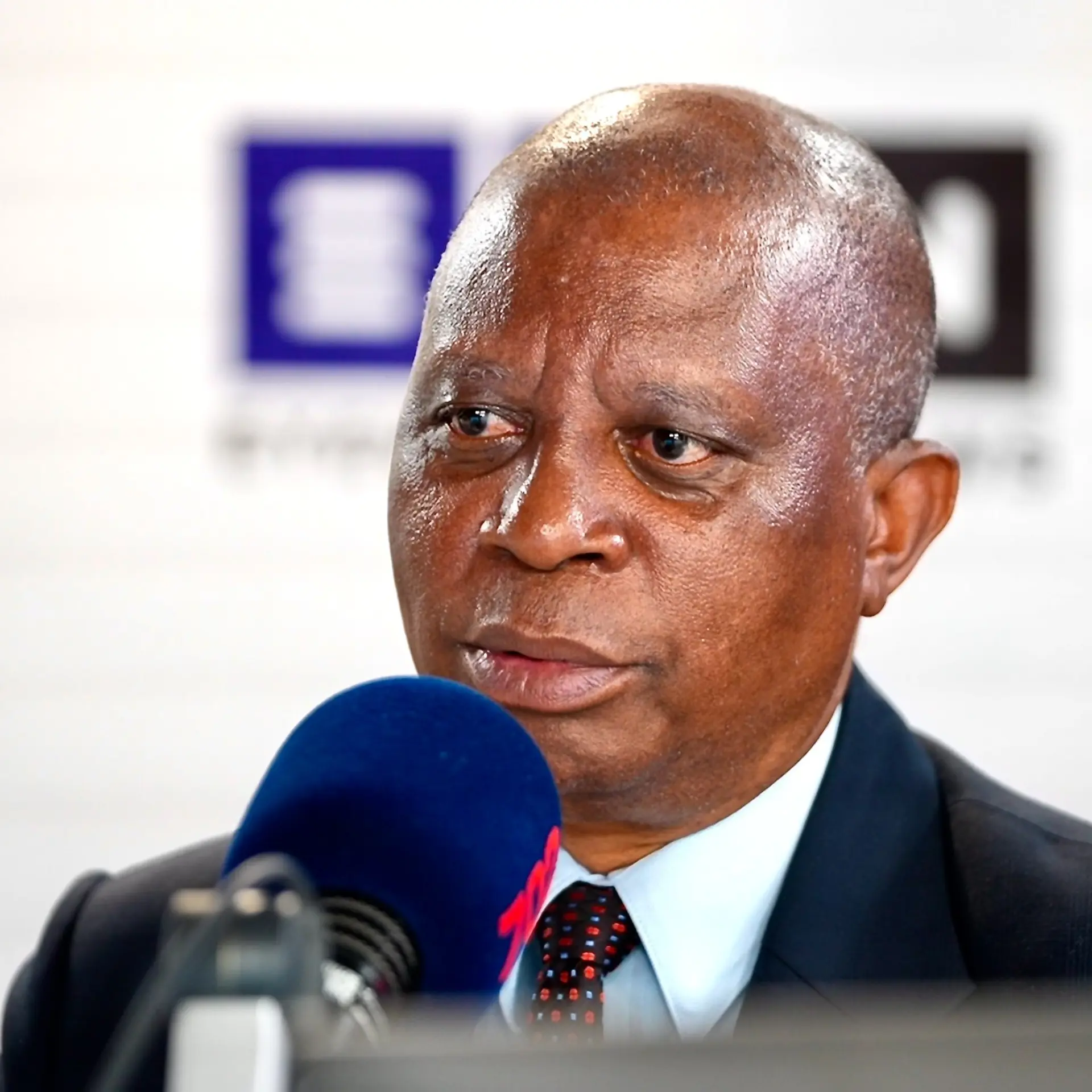
ActionSA leader Herman Mashaba says the party won't abuse its negotiating power as the ANC and DA vie for influence in crucial coalition talks that could reshape South Africa's political landscape. Picture: Katlego Jiyane/Eyewitness News
Katlego Jiyane/Eyewitness News
South Africa's coalition negotiations are reaching a critical stage, with ActionSA holding a potentially decisive position as the ANC and DA consider arrangements that could determine who governs key Gauteng municipalities.
ActionSA president Herman Mashaba says his party is determined to secure an agreement that benefits all parties involved, warning that political deals designed to benefit only one side are unlikely to last.
Political analyst Sandile Swana, meanwhile, says parties face difficult calculations as they weigh the immediate benefits of power-sharing arrangements against the possible consequences for their longer-term political fortunes.
With the negotiations advancing, the decisions could have implications extending beyond the current municipal arrangements.
Related articles:
—DA refuses to drop Helen Zille as ActionSA edges closer to ANC coalition deal
—Johannesburg could face five more years of poor governance under coalition deal, warns expert
Mashaba draws a line in negotiations with the DA
Speaking on 702, Mashaba said ActionSA was aware of the leverage it held in the negotiations but would not abuse its position.
"... we are not going to... abuse such power," he said.
Drawing on his business experience, Mashaba said he believed in agreements that delivered benefits for everyone involved.
"Every time when I do a deal, I do a deal that is a win-win for everyone. Because in my experience, doing a deal that only works for one party, that deal never survives."
Mashaba also made it clear that ActionSA had reservations about working with certain DA figures, identifying Helen Zille and Cilliers Brink as obstacles to an agreement.
Mashaba maintained that ActionSA did not have a problem with the DA as a political party, but that the two individuals were deal-breakers.
He also criticised the suggestion that negotiations could be conducted through media reports, saying the party's discussions with the ANC and other parties were progressing.
"If they have anyone else, we don't think we have the right to determine all that for them," Mashaba said of the DA's choice of representatives.
"So that is very clear. So, if ever they think they can negotiate with us through the media, then they make a terrible mistake."
ActionSA's support base and the ANC question
One of the key considerations for Mashaba is how a potential arrangement with the ANC could affect ActionSA's longer-term support.
Bingwa raised the possibility that voters who had previously supported the ANC but moved to ActionSA might be unhappy if the party entered into a coalition with the governing party.
Mashaba rejected the suggestion that such an arrangement would necessarily alienate those voters.
He pointed to ActionSA's experience of governing with the ANC and EFF in Tshwane, highlighting the performance and support of councillor Nasiphi Moya.
Mashaba said Moya's support among Black voters had increased from just over 8% in 2024 to 22%, arguing that voters appreciated ActionSA's management.
He also defended his earlier decision to work with the ANC in Tshwane, saying he had initially continued supporting the DA despite what he described as its failure to provide services to Black areas.
Mashaba said he eventually became frustrated and replaced the DA's mayoral leadership with Moya.
He described the opportunity to put a Black woman in charge as an example of the political culture ActionSA wanted to promote.
Swana: Parties must consider the longer-term consequences
Political analyst Sandile Swana said the current negotiations reflected a history of political deals, broken agreements and shifting principles in South African coalition politics.
He pointed out that the principle of allowing the party with the largest number of votes to take the mayoralty had not always been respected.
Swana cited Mashaba's own election as Johannesburg mayor, which followed an arrangement that excluded the ANC despite it having received more votes than any other party.
He also noted that the MK Party had been excluded from provincial unity arrangements in KwaZulu-Natal despite receiving the largest share of the vote there.
Against this background, Swana said the DA's electoral success in three Gauteng metros did not guarantee it would secure the mayoralties.
"The DA, in getting the largest votes in the three metros, is guaranteed nothing, absolutely nothing," he said.
Swana said the ANC's best option would be to pursue an arrangement similar to the one in Tshwane, while also seeking to regain control of Ekurhuleni.
He described Ekurhuleni as particularly problematic, pointing to the organised crime concerns highlighted by the Madlanga Commission.
The ANC would need a credible solution to convince residents that it could recover the municipality from criminal syndicates, Swana said.
He also questioned the ANC's preparedness for the coalition negotiations, arguing that the party should have developed contingency plans for different outcomes in the metros.
What the DA and ActionSA stand to gain
Swana said the DA's possible decision to move Cape Town mayor Geordin Hill-Lewis to Johannesburg could make political sense.
He argued that Hill-Lewis represented an emerging generation of political leadership and could help advance a more non-racial approach to South African politics.
As for ActionSA, Swana said the party had been involved in negotiations with the ANC and EFF for considerably longer than its more recent discussions with other parties.
He suggested that ActionSA was therefore in a position to make specific demands of the parties involved.
His preferred outcome for the party would be securing the mayoralties of Johannesburg and Tshwane.
The negotiations are consequently about more than simply deciding which party gets control of individual municipalities. For ActionSA, the challenge is to convert its negotiating leverage into political influence without undermining its longer-term ambitions.