IEC steps in after journalists blocked from covering DA and EFF mayoral candidates in Tshwane
At one station, the presiding officer demanded additional accreditation documents, despite journalists already having IEC-issued accreditation.
Eyewitness News
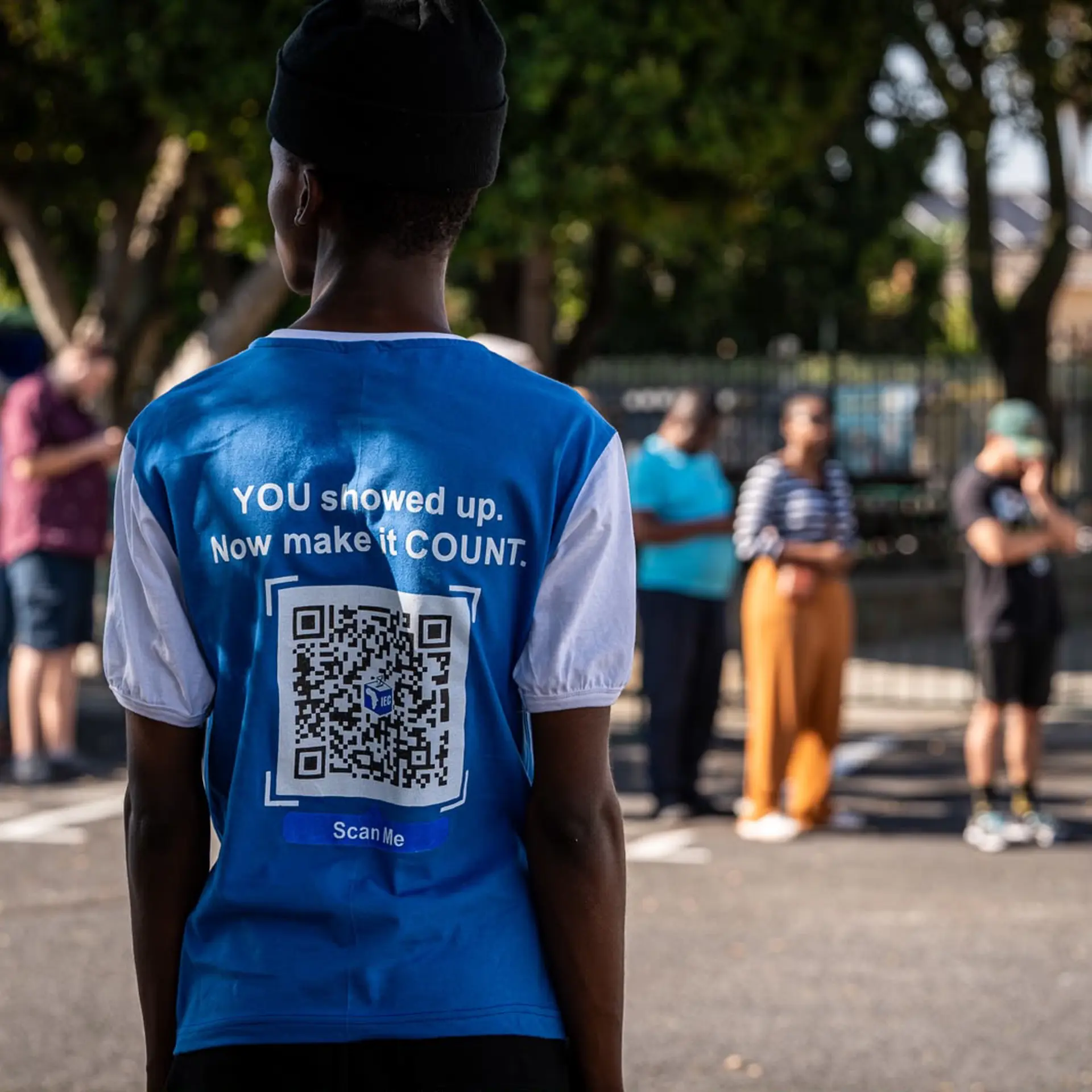
Edgemead Primary school voting station in Cape Town. Pictures: Jared Moorgas/EWN
Media access challenges have emerged at 2 voting stations in the City of Tshwane.
Journalists covering the visits of the Democratic Alliance (DA) and Economic Freedom Fighters (EFF) mayoral candidates were initially prevented from filming queues, interviewing voters, and capturing party representatives casting their ballots.
Tensions have marked election coverage at the Laspossié Kleuterskool and Sanctuary Ministries voting stations in wards 85 and 5 in Tshwane.
Journalists were initially blocked from filming queues, interviewing voters and capturing visuals of party representatives casting their ballots.
At one station, the presiding officer demanded additional accreditation documents, despite journalists already having IEC-issued accreditation.
At the other, the media were told that the rules did not allow them to take visuals or conduct interviews.
These restrictions also affected coverage of the DA and EFF mayoral candidates' visits.
Commenting on the setback, the EFF's Omphile Maotse said,
“It’s wrong, and the IEC needs to address it. We have taken the issue with the province, and we request that they remove this presiding officer and the deputy presiding officer be fired. Both of them are not helpful at all because they don’t know the rules; they don’t know the law that is governing where they are working now.”
The DA's Cilliers Brink has also shared his experience, saying:
”Despite this presiding officer of the IEC in some strange way trying to prevent the media from observing the process. The rest of the process was very quick. The line I joined at the back, it was quick, it was effective.”
Following several calls to IEC representatives, the commission clarified that journalists were allowed to capture visuals and conduct interviews, provided they did not interfere with the voting process or compromise the secrecy of the ballot.
Article by Tsholofelo Tsoku.