LGE 2026: What young voters need to know about local govt elections
But beyond the election campaigns, political promises and party manifestos, understanding how local government works is essential to making an informed decision at the ballot box in these coming days.
Ntokozo Khumalo
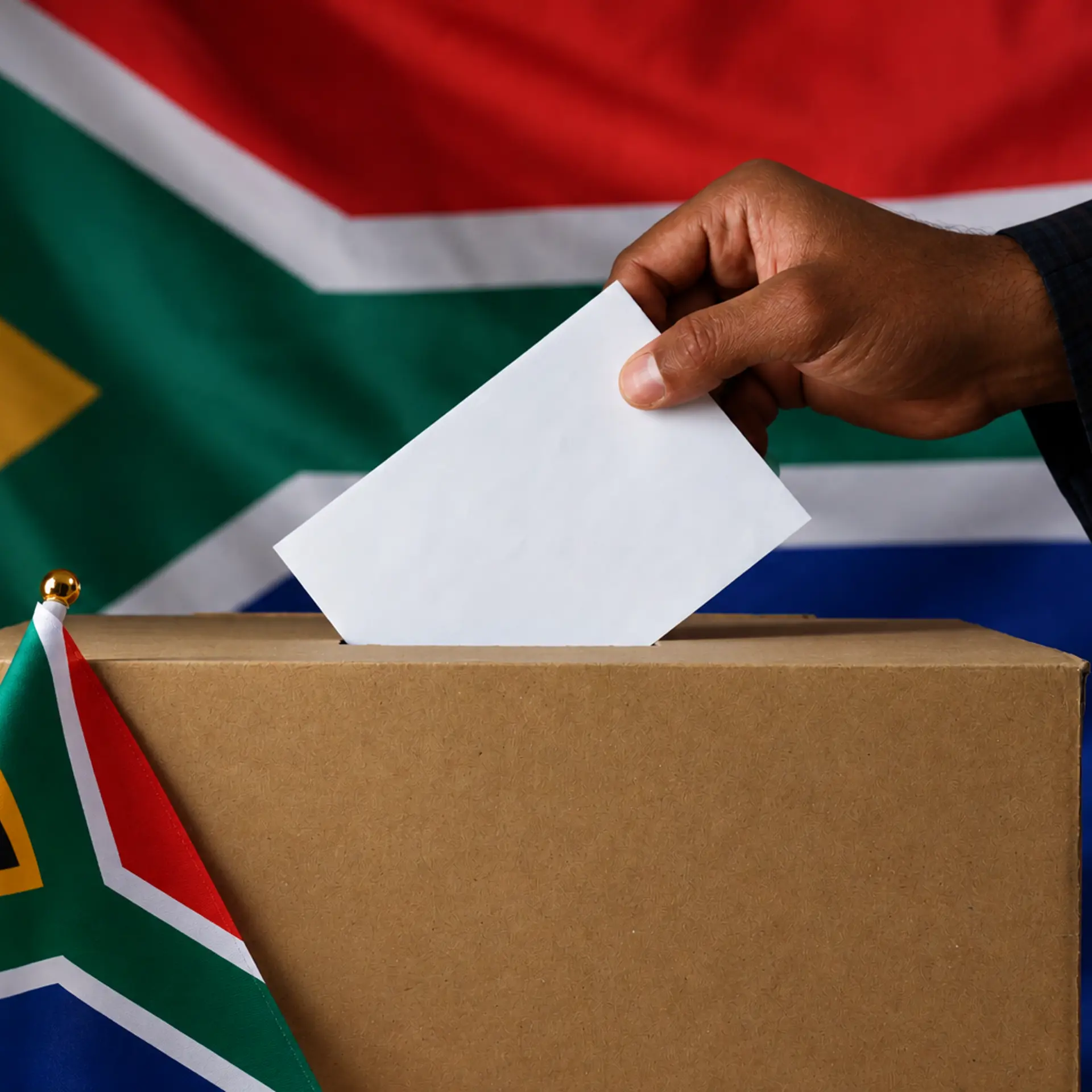
A voter casts a ballot against the backdrop of the South African flag ahead of the 2026 local government elections, as 546 political parties and nearly 137,000 candidates contest seats across the country. (Picture credit: atlasfoto/123rf)
atlasfoto/123rf
With 546 political parties vying for your vote in the Local Government Elections. Questions may arise during this crucial period, which determines the quality of life in your municipality.
But beyond the election campaigns, political promises and party manifestos, understanding how local government works is essential to making an informed decision at the ballot box in these coming days.
Eyewitness News takes a closer look at what voters, particularly young people, need to know ahead of the elections.
Why should young people care about local government elections?
Local government plays an important role in people's everyday lives, as municipalities are responsible for providing essential services and infrastructure to communities.
These include water and sanitation, refuse collection, electricity distribution, local roads, land use and municipal planning.
The decisions made by municipal councils directly affect the quality of services residents receive and the development of their communities.
Voting also gives residents an opportunity to participate in the democratic process and elect representatives who they believe will best serve their interests.
It provides an opportunity to hold elected officials accountable for their commitments and promises once they assume office.
How do I decide who to vote for?
Voters are encouraged to familiarise themselves with the manifestos of political parties and independent candidates contesting in their municipalities.
Understanding their proposed policies, priorities and plans for addressing local challenges can help voters make informed decisions.
Ultimately, the decision rests with individual voters and the candidates they believe will best represent their communities.
What am I voting for?
The number of ballot papers voters receive depends on the type of municipality in which they are registered.
If you live in a local municipality, you will receive three ballot papers:
Grey and white ballot: Voters choose a ward councillor, who may be a political party candidate or an independent candidate.
Green ballot: Voters choose a political party to represent them on the local municipal council through the proportional representation (PR) system.
Yellow ballot: Voters choose a political party to represent them on the district municipal council through proportional representation.
If you live in a metropolitan municipality, you will receive two ballot papers:
Grey and white ballot: Voters choose a ward councillor to represent their ward on the metropolitan council.
Green ballot: Voters choose a political party to represent them on the metropolitan council through proportional representation.
What is a municipality?
South Africa has over 200 municipalities, divided into three categories: metropolitan, district and local municipalities.
Metropolitan municipalities: These are large urban areas governed by a single metropolitan council. South Africa has eight metropolitan municipalities, including the City of Johannesburg, City of Cape Town, Buffalo City, City of Tshwane and City of eThekwini.
District municipalities: These municipalities oversee larger geographical areas made up of several local municipalities. They are primarily responsible for district-wide planning, coordination and supporting local municipalities.
Local municipalities: These are smaller municipalities that fall within district municipalities and are responsible for governing local communities and providing municipal services.
What is a ward?
A ward is a geographical area within a metropolitan or local municipality.
Municipalities are divided into wards to ensure that communities have elected representatives who can raise their concerns and represent their interests in the municipal council.
Ward boundaries are determined through the municipal demarcation process.
What is a councillor?
There are two main types of councillors in municipal councils: ward councillors and proportional representation (PR) councillors.
Ward councillors: A ward councillor represents a specific geographical area within a municipality.
They are elected directly by voters in their respective wards through the first-past-the-post system, meaning the candidate who receives the most votes wins the seat.
Ward councillors are also involved in ward committees, which provide a platform for residents to raise community concerns and participate in municipal affairs.
Proportional representation councillors
PR councillors represent political parties on municipal councils.
Their seats are allocated according to the proportion of votes received by their respective political parties.
While ward councillors represent specific geographical communities, PR councillors ensure that political parties are represented in the council according to their share of the vote.
What is the mayor's role?
The mayor provides political leadership within a municipality and plays a role in identifying community needs, setting priorities and driving municipal development plans.
Depending on the municipality's governance structure, the mayor may also oversee executive functions and work with other councillors to advance service delivery, municipal budgets and development programmes.
However, the mayor does not operate independently.
The municipal council is responsible for making key decisions, including approving budgets, policies and development plans, while the municipal administration is responsible for implementing these decisions and managing the municipality's day-to-day operations.
As South Africans prepare to head to the polls on 4 November, understanding these structures and responsibilities can help voters make informed choices about who they elect to represent their communities.