'This is just the beginning': Corné Mulder on Freedom Front Plus election gains
The Freedom Front Plus is gaining ground beyond its traditional support base. Leader Corné Mulder says the party's election gains are just the beginning.
Kabous Le Roux
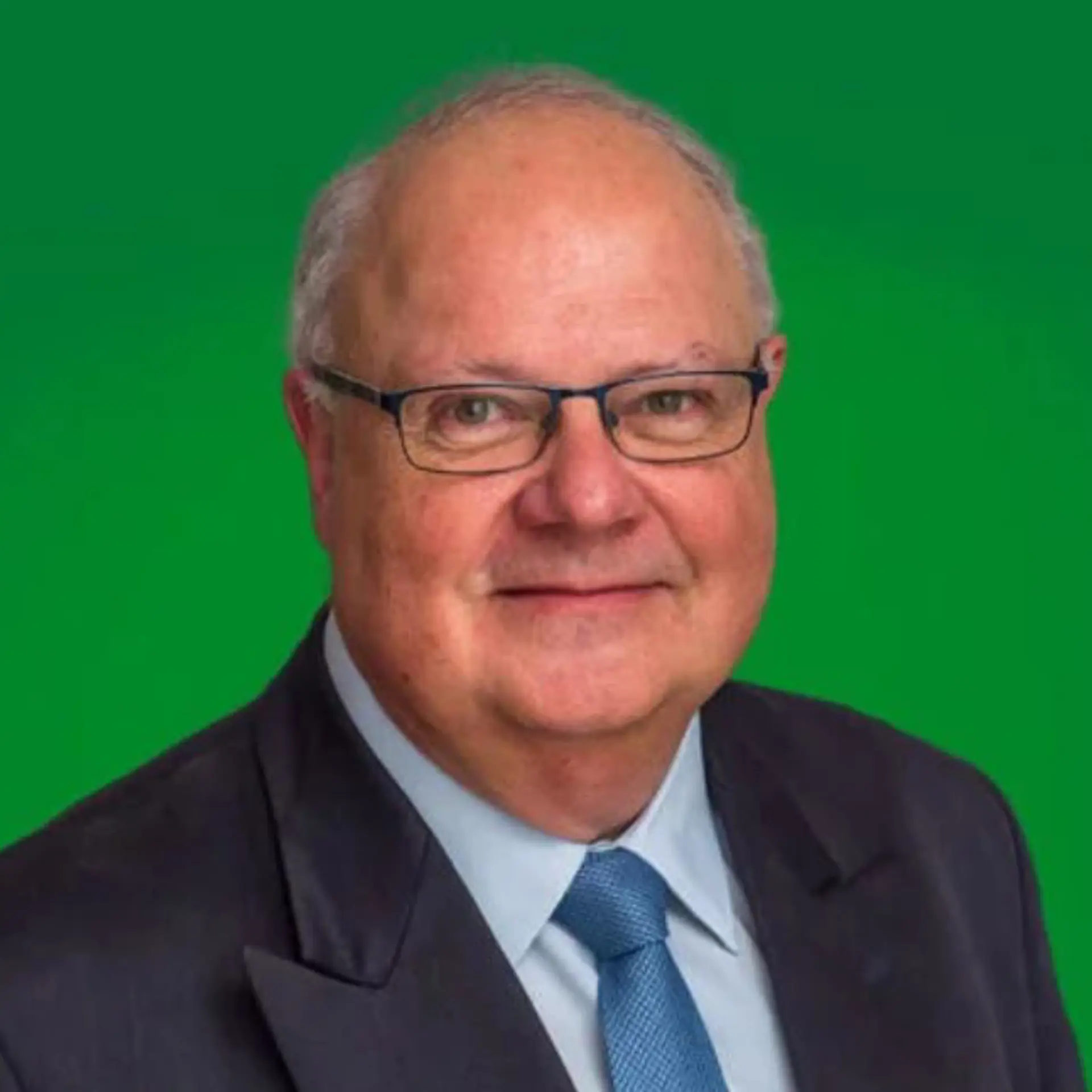
Freedom Front Plus leader Corné Mulder says the party's gains in the 2026 Local Government Elections are just the beginning, as its growing support signals a changing political landscape in South Africa.
The Freedom Front Plus's growth in the 2026 Local Government Elections could signal a changing political landscape in South Africa, with the party attracting support from communities beyond its traditional constituencies, according to party leader Corné Mulder.
Speaking to CapeTalk after the election campaign, Mulder expressed excitement about the party's performance in the Western Cape and nationally, saying its growth was driven by its commitment to political integrity and a message that resonated with ordinary South Africans.
The interview highlighted the party's growing presence in the Cape Town metro, where the presenter noted that the FF Plus had emerged as the fourth-largest party on the results leaderboard at the time.
Presenter Lester Kiewit also pointed to support for the party in communities such as Gugulethu and other areas not traditionally associated with the FF Plus.
Mulder said the election results provided a foundation on which the party intended to build towards the 2029 elections.
"This is just the beginning," he said.
"For me, this election was to lay a strong foundation. We've succeeded in doing so. Now we can build on that towards 2029."
Related articles:
— ‘I do not see anything wrong’: Why Gugulethu’s Mark Mutlane has chosen to represent the FF+
— South Africa's political landscape is changing as established parties face growing pressure
What smaller parties' gains reveal about South African politics
The FF Plus's performance comes amid a broader conversation about the growing presence of smaller political parties representing particular cultural, religious and community interests.
Kiewit pointed to gains by the National Coloured Congress and Al Jama-ah in the Cape Town metro, alongside the FF Plus's growth, and questioned what this meant for South African politics.
The discussion centred on whether voters were increasingly turning away from broad-based political parties in favour of movements with more specific cultural, linguistic or religious identities.
Mulder said South Africa's diversity meant political parties had to recognise the different interests and identities within society, while also finding common ground.
"On the one hand, one has to address the reality of South Africa being a very diverse country with regard to culture, religion, languages, etc. That's the reality that needs to be addressed," he said.
However, he cautioned against political movements becoming too narrowly focused or so broad that they failed to offer voters something meaningful to identify with.
He said the challenge was finding a balance between recognising differences and building a shared future.
"There is a common interest and a common commitment and a common future that we all share, being South Africans, and we have to find that fine line and find balance," Mulder said.
He argued that political parties needed to put forward values that people could identify with despite their differences.
Coalition negotiations loom as parties weigh up their options
The election results have also created the prospect of coalition negotiations in several municipalities, with only the City of Cape Town having an outright Democratic Alliance majority.
Asked whether discussions with other political parties had already started, Mulder said the process was still at an early stage, with parties waiting for the final results before determining their next moves.
He described the current situation as "Talks About Talks", referring to preliminary discussions taking place before formal negotiations begin.
"At the moment, we see Talks About Talks happening, and everybody is keeping their cards very close to their chest because we all wait to see the final, final result," he said.
Once the results were finalised, political parties would have a clearer picture of their respective positions and the options available to them.
Mulder said there was no fixed protocol determining which party should initiate coalition discussions.
While the larger party would traditionally take the initiative, he said this depended on whether it was actually interested in entering coalition arrangements.
He suggested that where a larger party was unwilling to pursue coalitions, other parties might have to take the lead in bringing potential partners together.
For the FF Plus, the immediate challenge is therefore to assess the final election results and determine where it could play a role in possible coalition arrangements.
But Mulder's longer-term ambitions extend beyond the negotiations that will follow the election.
Having described the party's performance as the foundation for future growth, he made it clear that the FF Plus intends to build on its electoral gains as it looks towards 2029.